We’re decarbonising our site operations and integrating sustainable practices and materials in all that we do. While ensuring our environmental impacts are positive, we’re also engaging with communities, social enterprises and our supply chain to uplift local economies, secure jobs and training for those who need it the most, and pioneering new practices that are fast becoming industry standards.
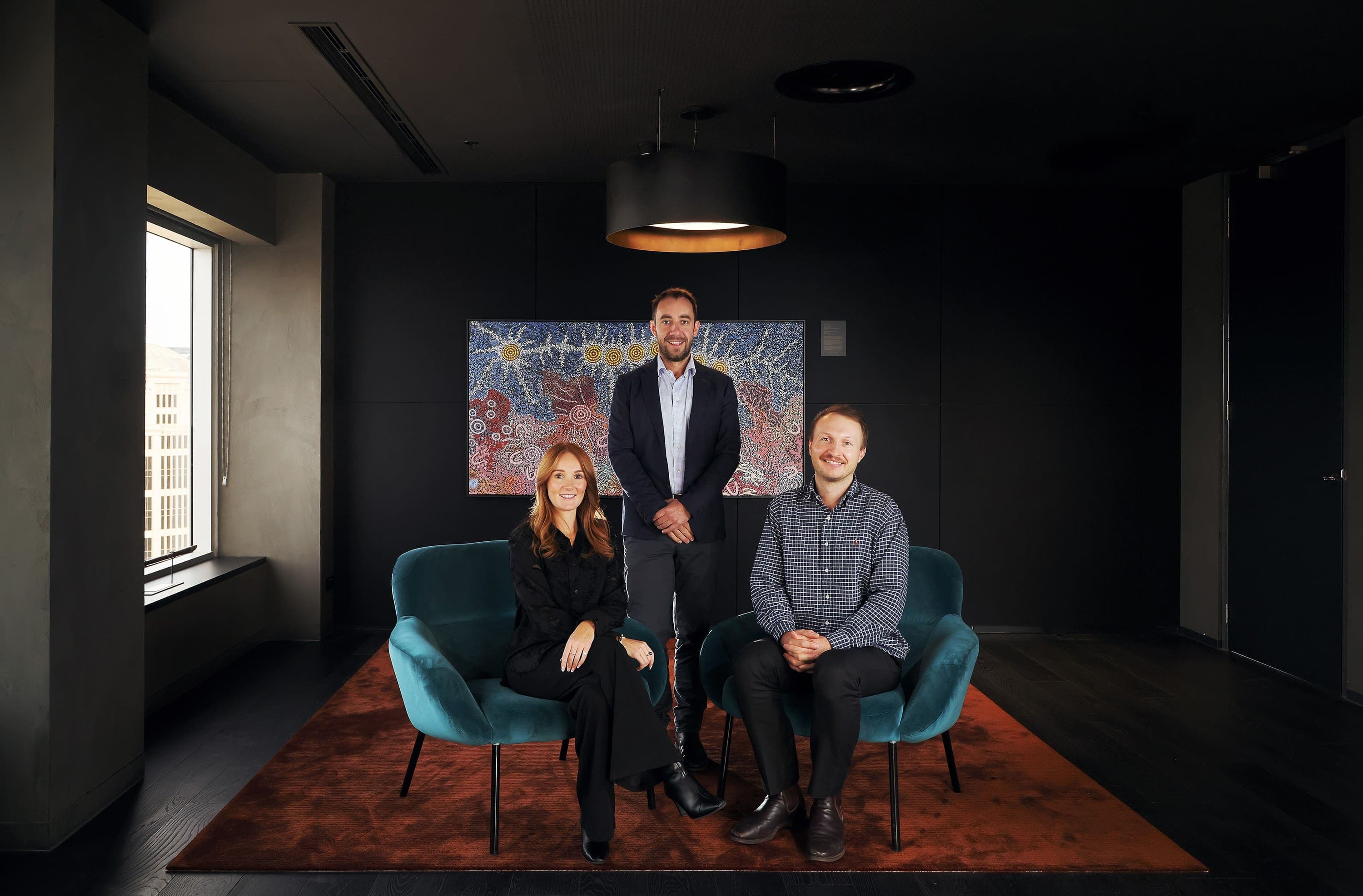
Jack McBain, Senior Environment & Sustainability AdvisorKapitol’s ESG strategy is deeply embedded in its vision to build the best buildings, do no harm and improve the construction industry for a better life. Environment, social responsibility and sustainability are an integral part of our business.
Reconciliation Action Plan
In 2022, Kapitol commenced preparation for our Reconciliation Action Plan (RAP) application with Reconciliation Australia (RA). Our first RAP (Reflect) was formally endorsed by RA in November 2023.
The steps in our first Reflect RAP involve committing to a means for scoping and developing relationships with Aboriginal and Torres Strait Islander stakeholders, deciding our vision for reconciliation, and exploring our sphere of influence


The primary Environmental factors revolve around reducing the industry’s massive footprint. This includes actively decarbonising site operations and supply chains, minimizing construction waste, and managing emissions. A modern approach involves using low-impact and sustainable materials, adopting energy-efficient practices during the build, and designing for long-term resilience and reduced operational carbon.
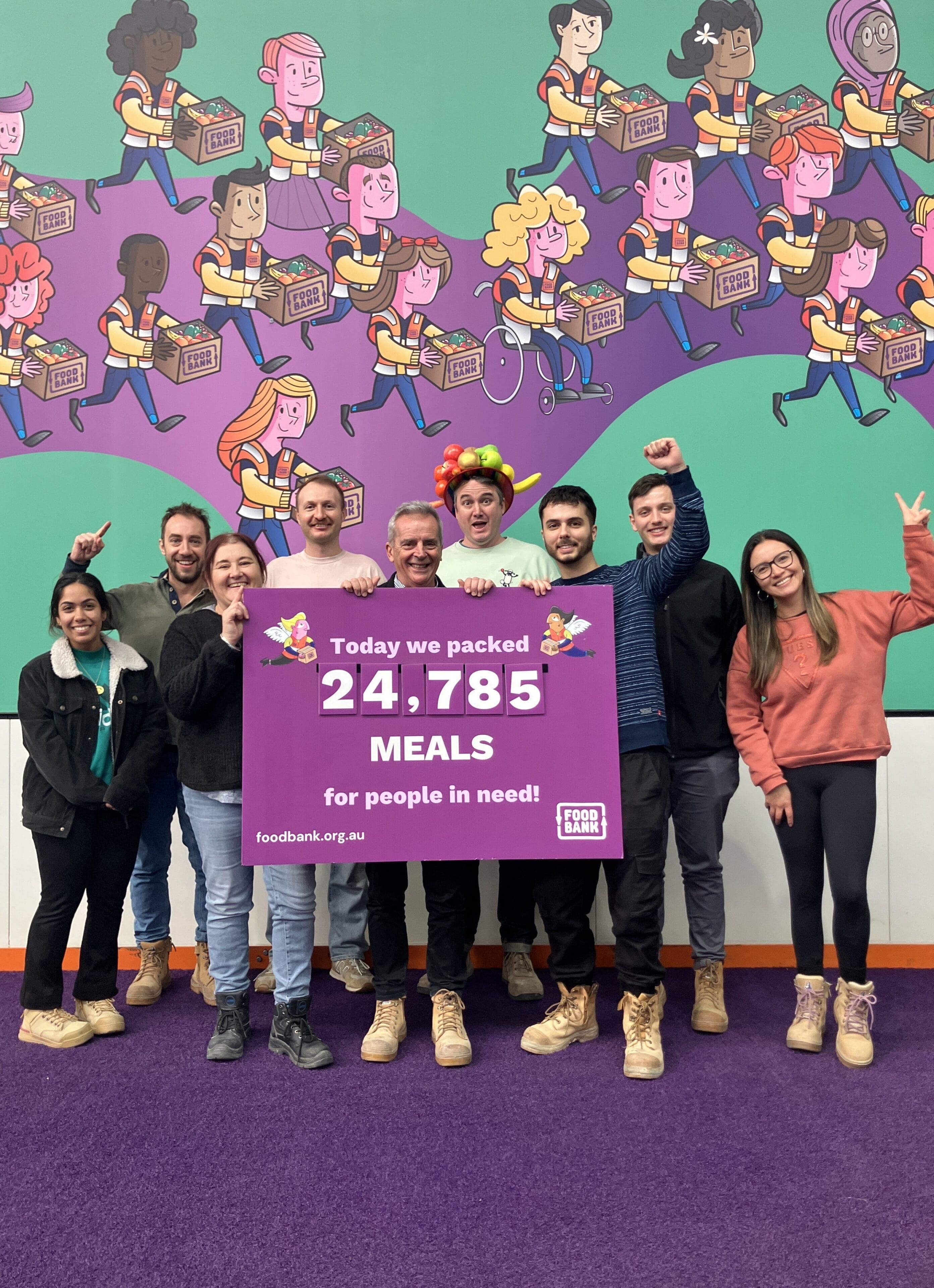
Social responsibility means going beyond a traditional transactional relationship to deliver positive social value. This involves actively engaging with communities to uplift local economies, providing jobs and training for those who need it most, and working with social enterprises. It is a commitment to ensuring that the project benefits the environment and the community, creating a lasting positive impact and building strong community license.
Effective carbon reduction requires a comprehensive approach targeting both embodied carbon (materials) and operational carbon (site activity). Strategies include integrating sustainable materials and low-impact assemblies into the design, optimising logistics to reduce transportation emissions, and decarbonising site operations by switching to cleaner energy and more efficient equipment. The ultimate goal is to pioneer practices that are positively sustainable.
Ethical Procurement is critical to ensuring the entire supply chain operates with integrity, upholding labour laws, human rights, and environmental standards. Under the Governance pillar, it means demanding transparency from suppliers, particularly regarding the sourcing and manufacturing of materials. This focus on ethical procurement minimises risk (e.g., modern slavery, corruption) and aligns the entire project with the client's and the company’s vision to do no harm.
A Reconciliation Action Plan (RAP) is a formal framework used to deepen a company’s commitment to reconciliation with Aboriginal and Torres Strait Islander peoples. Within the Social pillar, a RAP signifies a commitment to scoping and developing respectful relationships with Indigenous stakeholders, increasing opportunities for Indigenous businesses (social procurement), and building greater cultural awareness across the organisation. It is a demonstrable step towards achieving social equity.
ESG in construction is embedded in how we build and engage, with environmental, social and governance factors integrated into planning and delivery, from carbon reduction and ethical procurement to transparent governance. We push construction and sustainability forward so each project benefits the environment and community, while our focus on building sustainability uses low-impact materials, minimises waste and designs for long-term resilience, creating lasting value for clients, our people and the industry.
